May 2025 in review – Without critical commodities, the West will lose the race
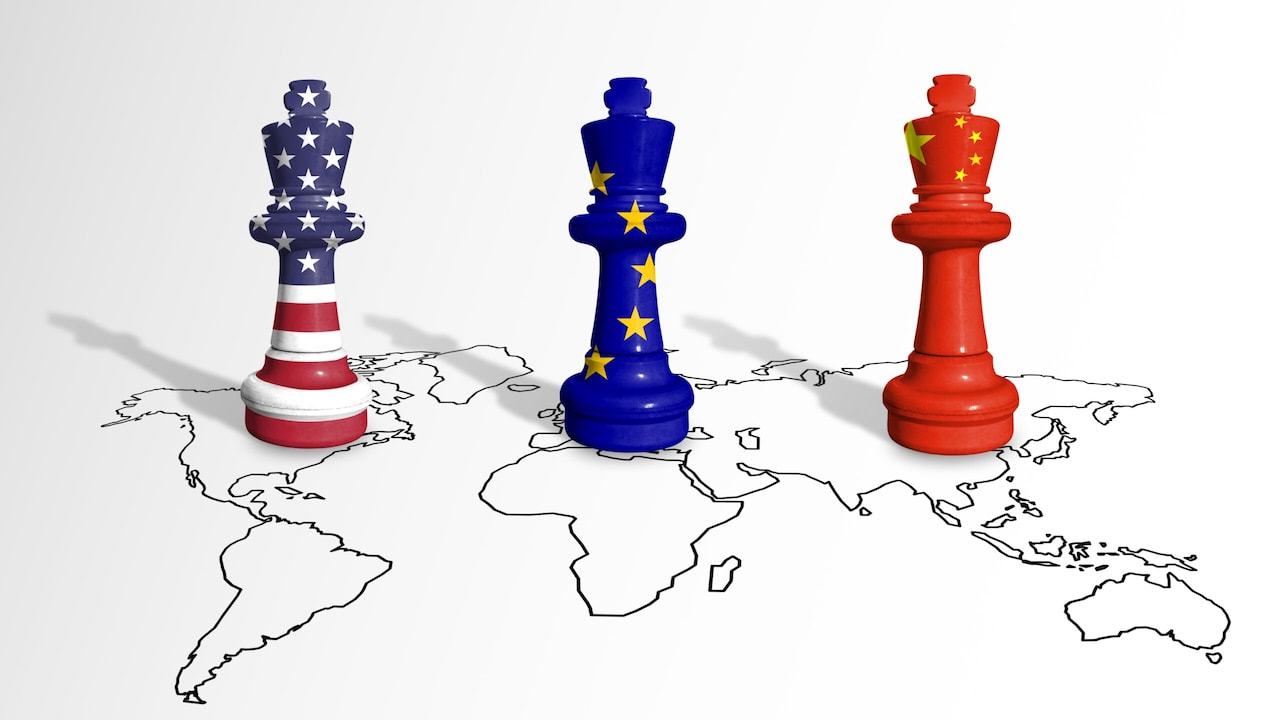
Amid geopolitical tensions, technological progress, and growing awareness of raw materials, May 2025 makes one thing clear: without its own resource strategy, Europe will fall behind.
Escalation slowed – but not defused
May began with a joint statement by the US and China to reduce their punitive tariffs for 90 days. A glimmer of hope – yet there was silence when it came to critical raw materials such as rare earths. The balance of power has not shifted: China still controls around 98% of the global market for hard-to-separate elements such as terbium or dysprosium.
Export controls are having an impact
Even though China’s exports rose slightly year-on-year in April, the trend is misleading: compared with March, exports collapsed by 15.6% – mainly because many heavy rare earths are now subject to export controls. The apparent increase is due to low-cost light rare earth metals such as lanthanum and cerium. For Germany, which in 2024 imported around 65.5% of its REEs from China, this is a clear alarm signal.
Research instead of dependence
A bright spot: American scientists are developing systems that use sunlight to purify drinking water and produce green hydrogen at the same time. This is made possible through the targeted use of high-tech metals such as gallium, indium and scandium oxide. Another invention: nanofilters that enable Western producers to recover terbium from industrial wastewater – a milestone for the recyclability of strategic elements.
Europe rediscovers mining
After a power outage in Spain, interest there is growing in domestic extraction of raw materials needed for the development of renewable energy. Germany is also reviewing new projects – e.g. copper mining in southern Lower Saxony.
Geopolitical fronts remain tense
In Washington, a draft bill has been introduced that provides for punitive tariffs of up to 500% against countries that continue to import Russian energy – a direct signal to China and India.
Greenland chooses Europe
Trump wanted the island for “national security” – and because of its raw material reserves. But Greenland says no to Washington and yes to the EU. At stake are:
?️ 17 billion barrels of oil
? 138 trillion cubic feet of natural gas
? 1.5 million tonnes of neodymium + additional REEs
However, the ecological cost of extraction would be high. Infrastructure, logistics and political stability remain decisive.
Gold as an early warning system
Since the end of the gold peg in 1971, the price of gold has increased almost one hundredfold – while the consumer price index has only quadrupled. Gold remains an early indicator of systemic risks and political uncertainty – even in a month like this.
Europe's Achilles' heel: commodities
The billions for defense have been approved – but where are the metals? Anyone who orders tanks but does not secure supply of gallium, hafnium, neodymium & Co. is not defending infrastructure, but only illusions.
What we need:
✅ Strategic reserves
✅ Commodity partnerships
✅ Our own mining projects
✅ Diplomacy – including with Beijing
June outlook
The topic is gaining momentum. Raw material security is no longer a niche issue. Industry is feeling the dependence – and the media are picking it up. Numerous editorial teams have interviewed us; in a multi-part series on China’s raw-material power, we are featured extensively. Our expertise is in demand like never before.
The question remains: How will policymakers respond?