Green Light for Green Hydrogen – and for Metals
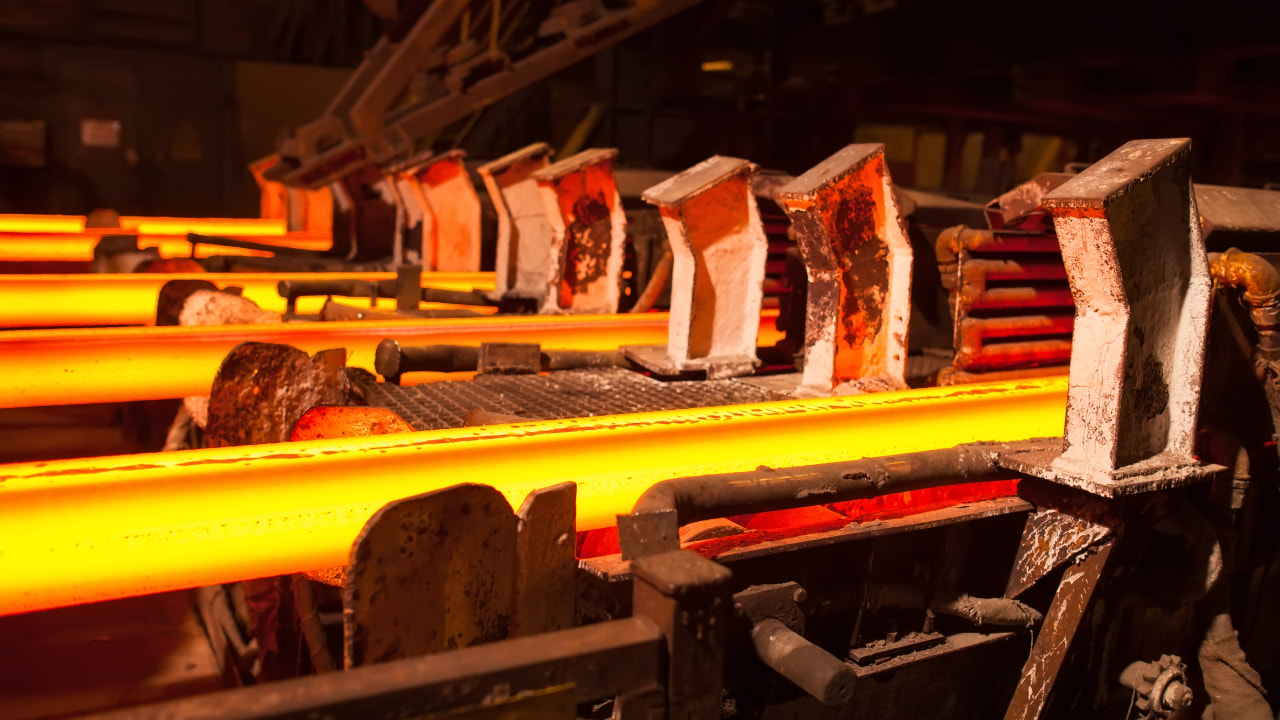
The EU Commission approved Germany’s largest decarbonization project this Thursday. Consequently, the Federal Ministry for Economic Affairs is now funding thyssenkrupp Steel Europe’s “tkH2Steel” project with 2 billion euros. The largest plant in Duisburg will thus produce with hydrogen and green electricity instead of coal in the future. An important step toward sustainable steel production.
The steel industry in Germany is one of the largest CO2 emitters, accounting for one-third of emissions. Of this, 6% is attributable to thyssenkrupp Steel Europe. With this project, the company aims to save up to 3.5 tons of carbon dioxide per year, thereby significantly reducing this share. The necessary direct reduction plants are scheduled to commence operations in 2026.
The German government has previously funded projects dedicated to producing green steel. The federal government and the state of Lower Saxony supported the steel company Salzgitter AG with one billion euros to transition to hydrogen. The conversion is to be implemented in stages by 2033, with the goal of saving 95% of annual CO2 emissions of approximately 8 million tons.
Green electricity, green hydrogen, green steel—this is the production chain for a green future. However, commodities are always the starting point. Platinum, palladium, and scandium are indispensable for hydrogen electrolysis, indium, gallium, and germanium are used in solar cells, and neodymium oxide and dysprosium oxide in wind turbines. For investors, we have specifically developed a portfolio of the most important metals of the energy transition—offering return opportunities in the “green” sector as well.