The Iran war depresses gold - and makes it stronger at the same time
The price of gold is currently under pressure and has reached its lowest level for months – in some cases for the ninth trading day in a row. Although it is still above 4,000 dollars per troy ounce, the precious metal was particularly weak in March, losing more than seven percent at times.
What is behind it? Geopolitical tensions and rising oil prices have historically been considered reliable drivers for gold. But this time this logic doesn’t seem to apply – or are we just experiencing an apparent contradiction here?
From all-time high to downtrend: Why gold is under pressure
At the beginning of 2026, gold was still shining with new all-time highs. However, the tide turned with the outbreak of the Iran conflict. The downside is no coincidence, but the result of a complex interplay: rising oil prices are driving demand for US dollars, strengthening the reserve currency – and weighing on the gold price in the short term. At the same time, higher energy prices fuel fears of inflation and raise expectations of rising interest rates. In such an environment, in which gold offers no current income, its attractiveness declines.
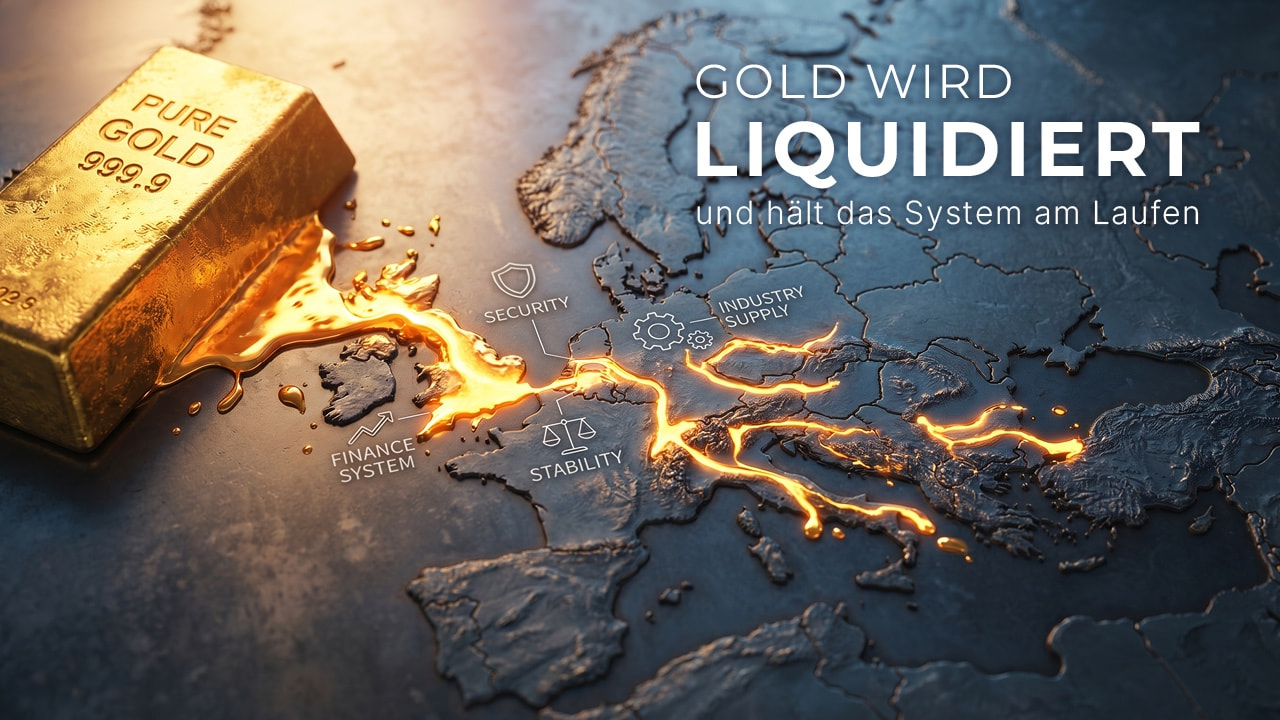
An often overlooked factor: in turbulent times, gold is deliberately sold to offset losses in other asset classes – precisely because it can be traded quickly and easily worldwide. Countries also draw on their reserves in such phases: Russia, for example, has recently sold more gold to cover war-related expenses and liquidity requirements.
Stronger dollar - crumbling foundations
The strength of the US dollar is less a sign of invulnerability than the result of its central role in global oil trading. In crises, demand for oil increases – and thus automatically for the US currency.
However, alternatives are emerging in the background: with the petro-yuan, China is pushing ahead with a system in which commodities are increasingly traded outside the dollar zone. At the same time, the country has been massively expanding its gold reserves for decades.
As a result, the dollar remains strong, but not untouchable. And the more confidence in existing structures dwindles, the more important a neutral anchor of value becomes. Gold is taking on precisely this role.
Gold under pressure - or a strategic opportunity?
A look at the past shows a clear pattern: in the 1970s, the price of gold shot up from around 35 to over 800 dollars an ounce – an increase of more than 2,000 %. Even during the 2008 financial crisis, gold initially fell by around 30 % before almost doubling in the following years.
Crises often lead to short-term setbacks for gold – which can then lead to even stronger upward movements. Those who keep an eye on the big picture and recognize recurring patterns need not see the current price decline as a threat, but may even recognize a strategic opportunity. After all, gold often gains in importance in times of geopolitical tensions and growing systemic risks – precisely when a safe haven is most urgently needed.