If even the state is planning raw material reserves, the idea might not be so bad!
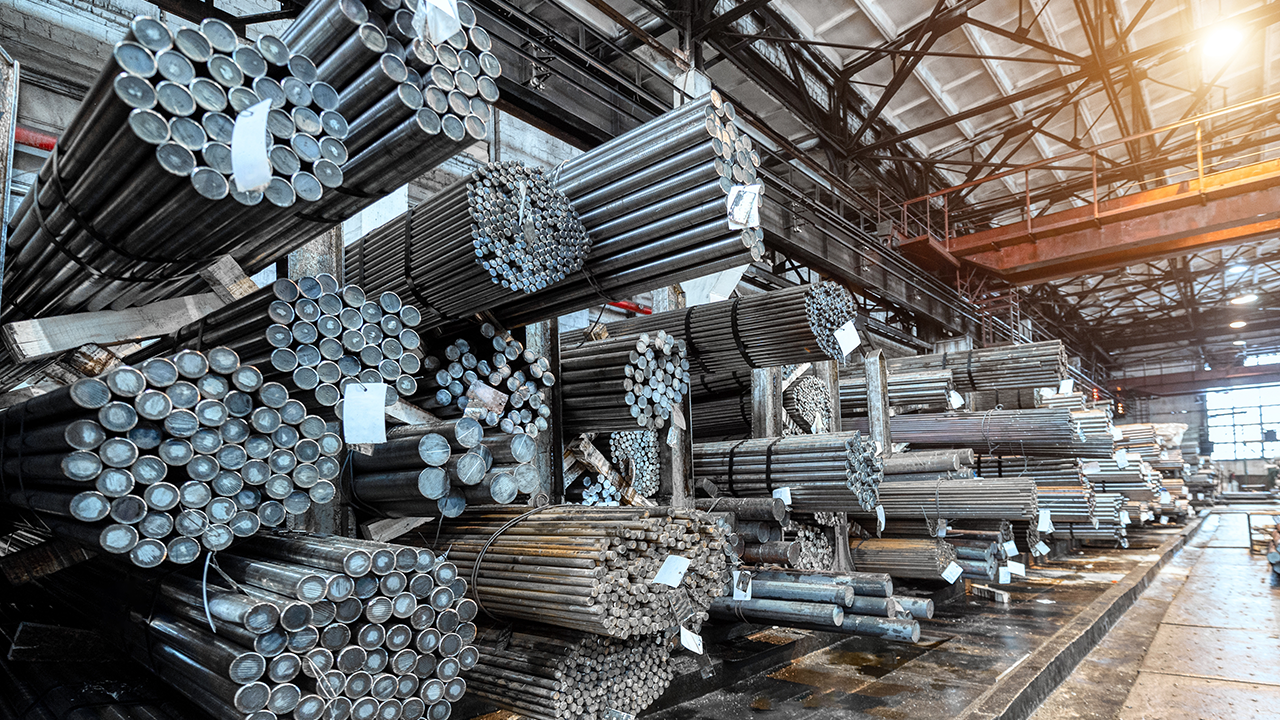
The energy transition is at risk of failing, and several nations are discussing government stockpiling of critical raw materials. With government reserves, Europe would be less dependent on China and could continue production for several months even in the event of a complete supply halt.
The key issues paper of the Federal Ministry for Economic Affairs and Climate Action (BMWK) therefore considers government storage of critical metals in the military and medical sectors. Precedents already exist in South Korea, Japan, and the USA, where raw material storage is linked to certain government-affiliated institutions, such as the military (USA) or special government agencies (Japan, South Korea).
For a government, raw material stockpiling represents a reliable option for times of crisis and shortage. The idea is not new: as early as 1973, OECD countries had stockpiled crude oil. Why shouldn’t storage also work for investors? A raw materials investment is an excellent asset that protects money from crises such as inflation and devaluation.
Opponents of government raw material storage raise two concerns: firstly, it represents a significant intervention in market activity and could therefore lead to unexpected forms of price formation. Secondly, the government is not a storage specialist. Technology metals and rare earths in particular require knowledge and expertise to be stored correctly.
Investors who store through private companies are already better positioned. Dealers like Noble BC are thoroughly familiar with industry requirements regarding the necessary purity of metals and their packaging. Reputable providers also secure their clients’ investment assets via blockchain through digital fund usage control. They know the market precisely and thus offer private buyers the metals that are currently most in demand. This gives private purchases the opportunity for attractive returns, including tax-free purchase and tax-free gains.